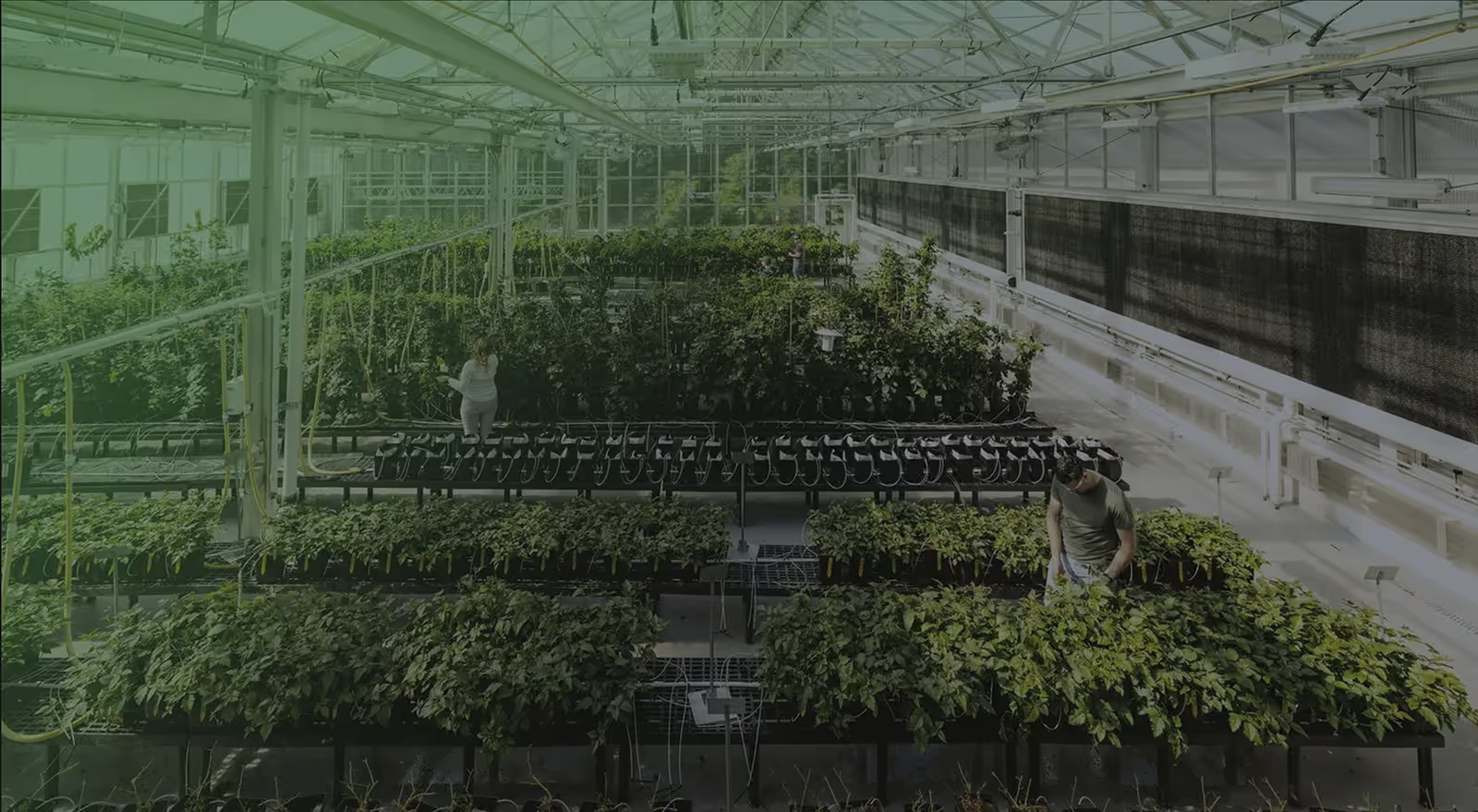
Pairwise is agriculture's plant CRISPR powerhouse

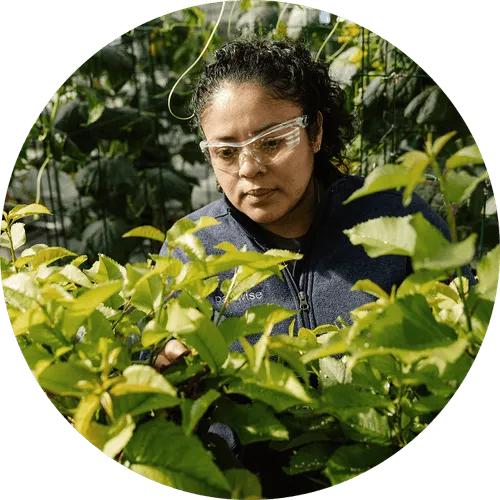

Success rate in creating targeted crop improvements

Potential products created

Crops edited

Transformations performed
What we do
Unlocking Nature’s full potential
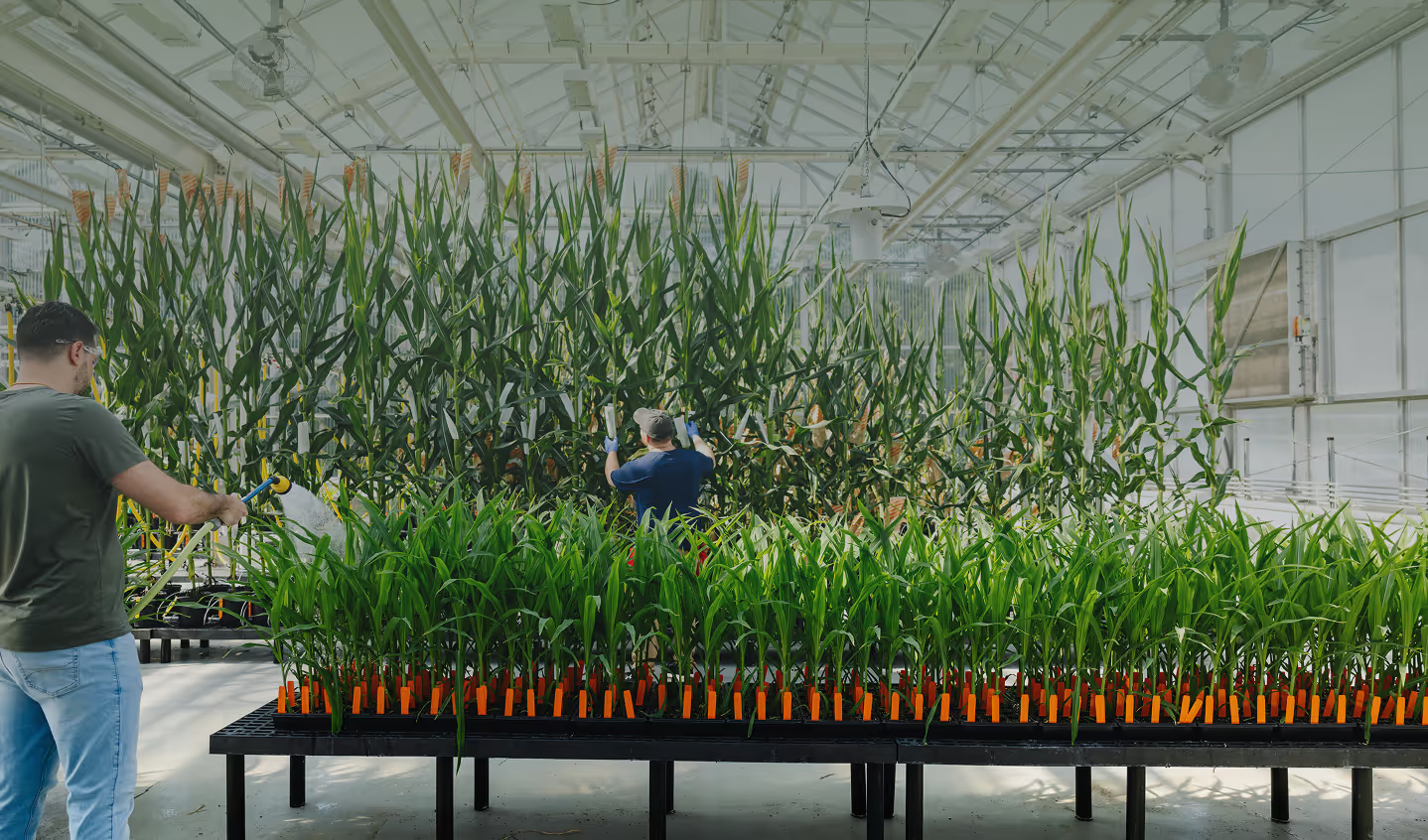
Making food easier to grow and eat
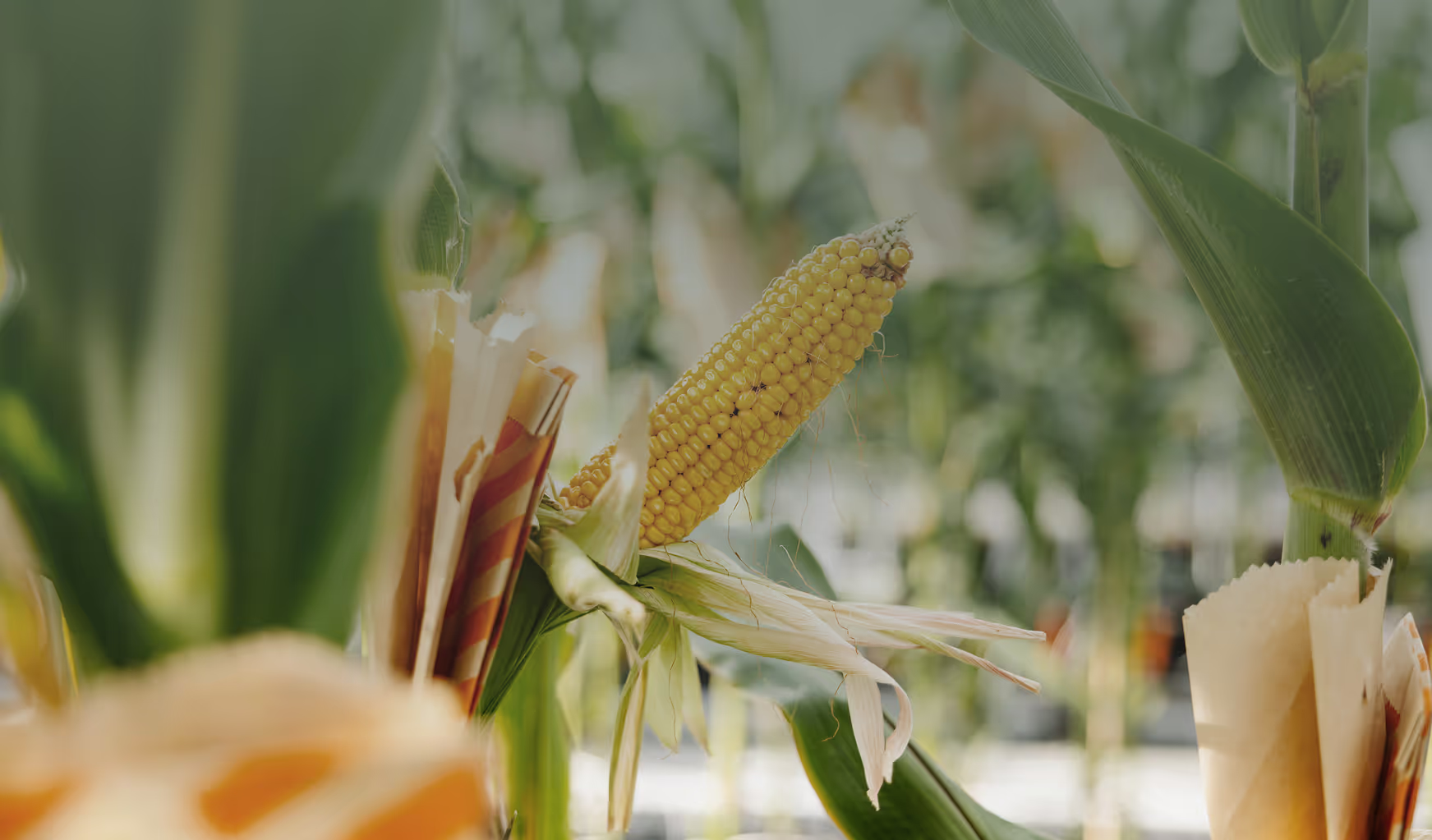
Leading with Science & Purpose
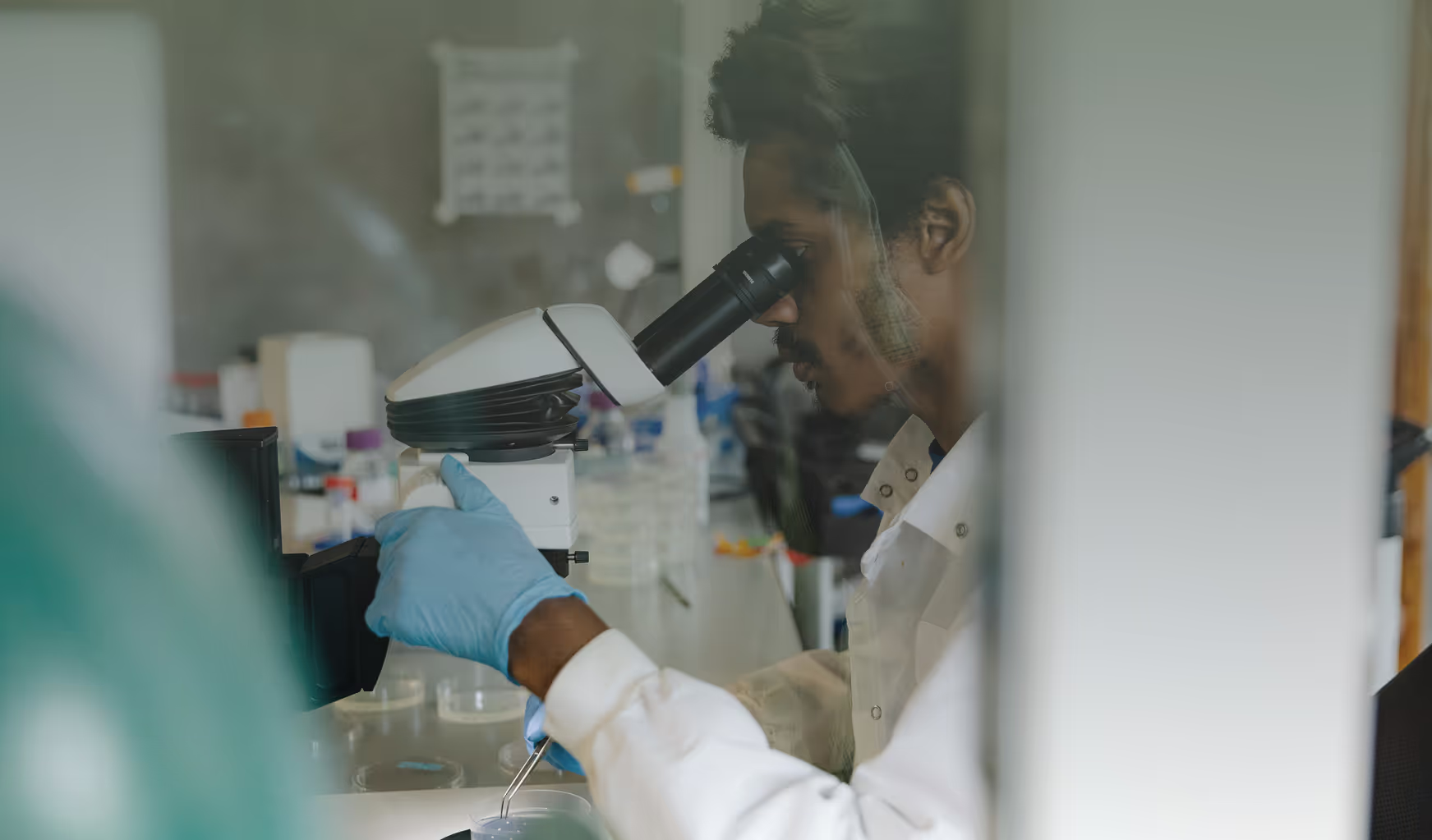
Plant genome editing: accelerated breeding for agriculture
Pioneering CRISPR innovation
An early innovator in applying CRISPR in agriculture, Pairwise is creating results. We built our Fulcrum™ platform to make high-value traits in crops, and it is delivering for us and for our licensees.
After demonstrating a trait in one crop, we translate it to many through licensing. To maximize the speed and impact of our work we have many collaborations across nonprofits, academia, global agriculture and CPG companies.
Breakthroughs Build
With each breakthrough we build on what nature already does well, adding to our knowledge and capabilities that makes the next project a little bit faster. Ultimately, we accelerate the development of more productive, efficient, and appealing crops.
From Lab to Life
The real-world benefits of plant gene editing are already here: extended flowering time, compact plant size for higher density planting, seedless convenience, and better taste – making food easier to grow and more enjoyable to eat. With a partnership-first model, we work with global collaborators and licensees to bring these innovations into the world and onto fields, plates, and markets.

A trusted collaborator across the agriculture ecosystem






.png)
.png)

.png)
.png)



.png)



.png)


.png)

Our investors


.png)
Insights
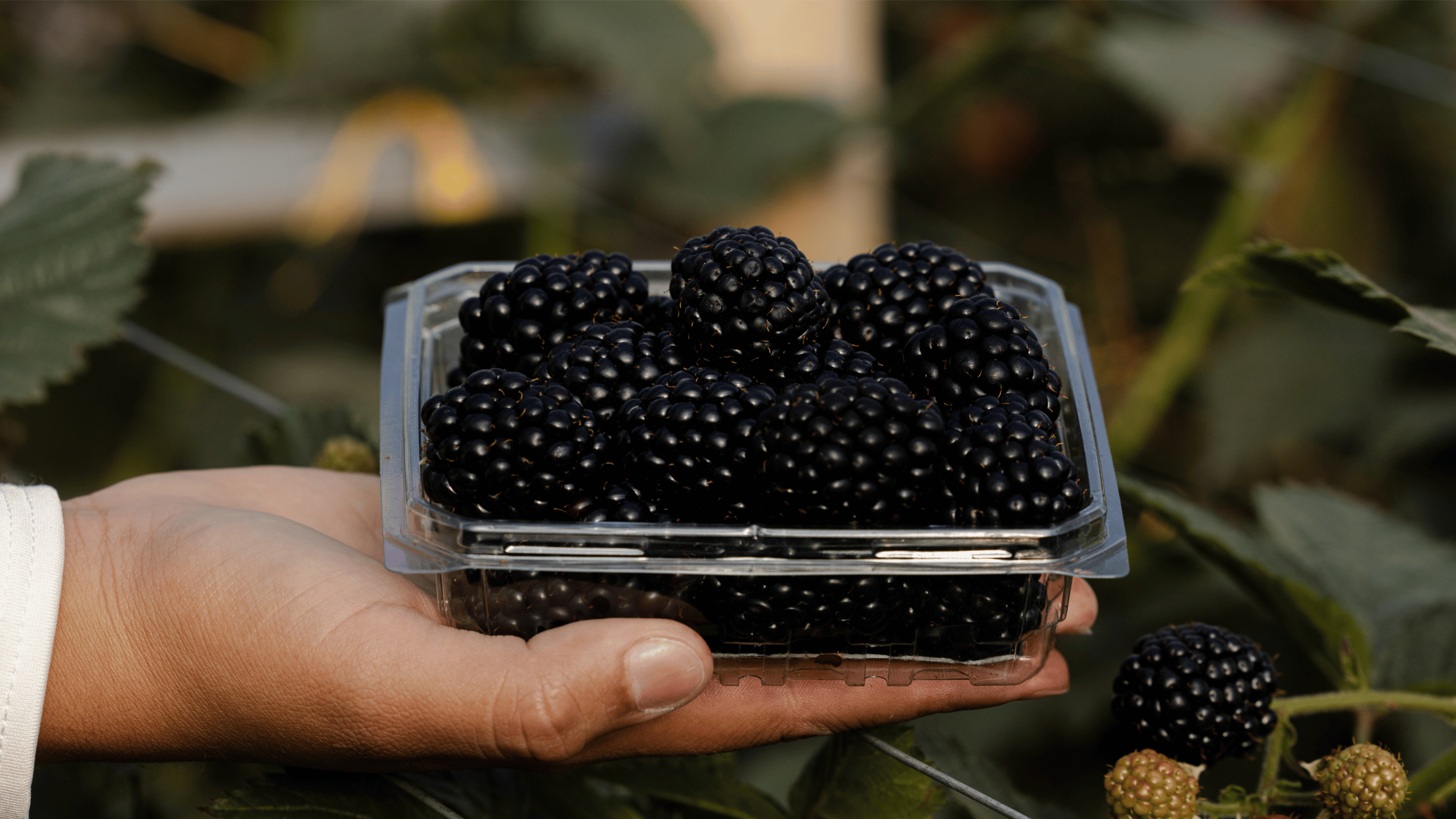
DURHAM, N.C. — Pairwise today introduced Fontana™, a new blackberry developed for commercial fresh-market production. With a compact plant architecture, earlier and more condensed fruiting window, and high-quality fruit, the Fontana blackberry is designed to help growers increase productivity while simplifying production and harvest.
"We started with a great berry and improved the plant around it," said Ryan Bartlett, Chief Technology Officer at Pairwise. "Fontana helps growers produce significantly more fruit per acre while simplifying some of the most labor-intensive parts of blackberry production, making it a true win-win-win — for growers, for retailers, and for consumers, who enjoy high-quality, delicious fruit that's more seasonally available.”
Fontana is built on a proven Plant Sciences Genetics (PSG) variety known for its exceptional flavor and fruit quality. Pairwise developed the Fontana blackberry with a compact architecture that reaches approximately 3.5 to 5 feet, about half the height of a conventional blackberry plant.
The smaller architecture allows Fontana blackberries to be planted at higher densities while requiring no pruning and minimal trellis labor. Combined with an earlier and more concentrated harvest window, these characteristics can increase production per acre and make plants easier to manage, harvest and grow in more locations with an early production window.
Fontana plants offer several potential advantages for commercial growers:
- Earlier, higher yield: Higher-density planting and an earlier, more condensed harvest window can increase yield per acre.
- A consistent, great berry: One blackberry grown across regions and seasons, so every clamshell delivers the same delicious eating experience.
- Easier management: Fontana’s compact architecture makes fruit easier to access at harvest.
By the numbers
First in a pipeline of improved blackberry varieties
Fontana is the first in a pipeline of blackberry varieties under development, which include thornless and seedless blackberries. Together, the pipeline is intended to improve the economics and sustainability of blackberry production while delivering high-quality fruit with characteristics consumers value.
About Pairwise
Pairwise is committed to building a healthier world through better crop varieties and plant innovation. Powered by its proprietary Fulcrum® Platform, Pairwise accelerates the development of climate-resilient, nutritious, and sustainable crops. As a trusted partner to global industry leaders and nonprofit institutions, Pairwise helps breeders move faster while transforming food and agriculture for farmers, consumers, and the planet. Founded in 2017 and based in Durham, NC, Pairwise is committed to delivering innovation that makes food easier to grow and better to eat. For more information, visit www.pairwise.com.
###
Read through for an excerpt from our recently published article in AgFunderNews:
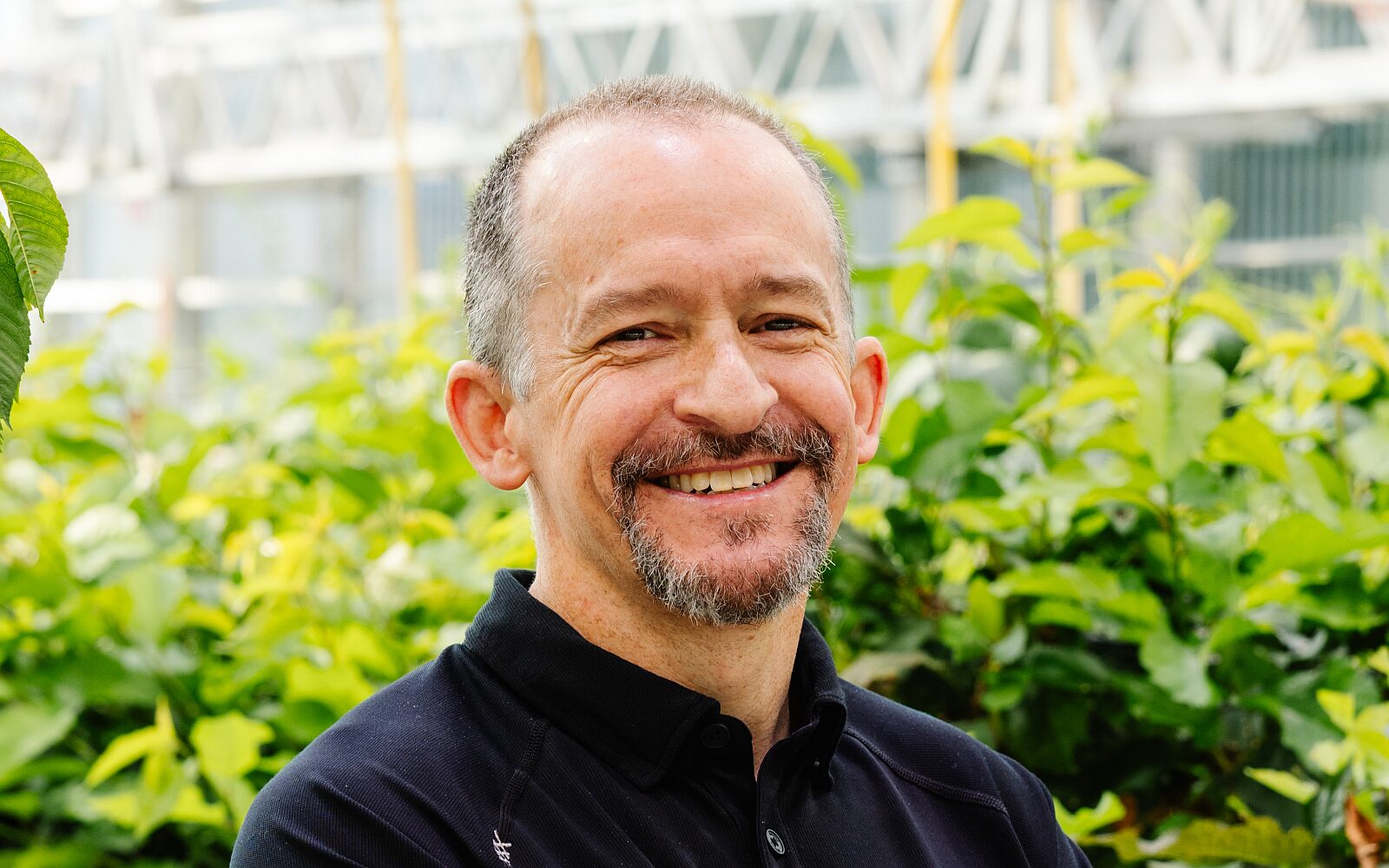
Gene editing is rapidly expanding beyond row crops into specialty crops, animals, and microbes, says Pairwise, which has seen a “dramatic uptick” in licensing deals for its Fulcrum platform over the past 12-18 months and now has 25 licensees covering more than 30 species.
Unlike transgenic plants—which are classified as GMOs as foreign DNA from another species is introduced—gene editing involves tinkering with species’ native genes, which eases the regulatory pathway in a growing number of markets and can deliver speed and precision, two potential gamechangers in breeding, says COO Ian Miller, PhD.
“We’re really enthusiastic about the direction that the regulatory environment is going worldwide,” adds Miller, who says Pairwise is seeing growing interest in Europe now that the EU has enshrined a new, simpler regulatory framework for plants made using new genomic techniques.
“I think there’s an understanding that in many cases, what comes out from gene editing is equivalent to conventional breeding because we’re working within the plant’s own genes. The beauty of gene editing is that if it sits somewhere in the gene pool, you can bring it to bear for a problem.”
Read through for an excerpt from our recently published article in WIRED:
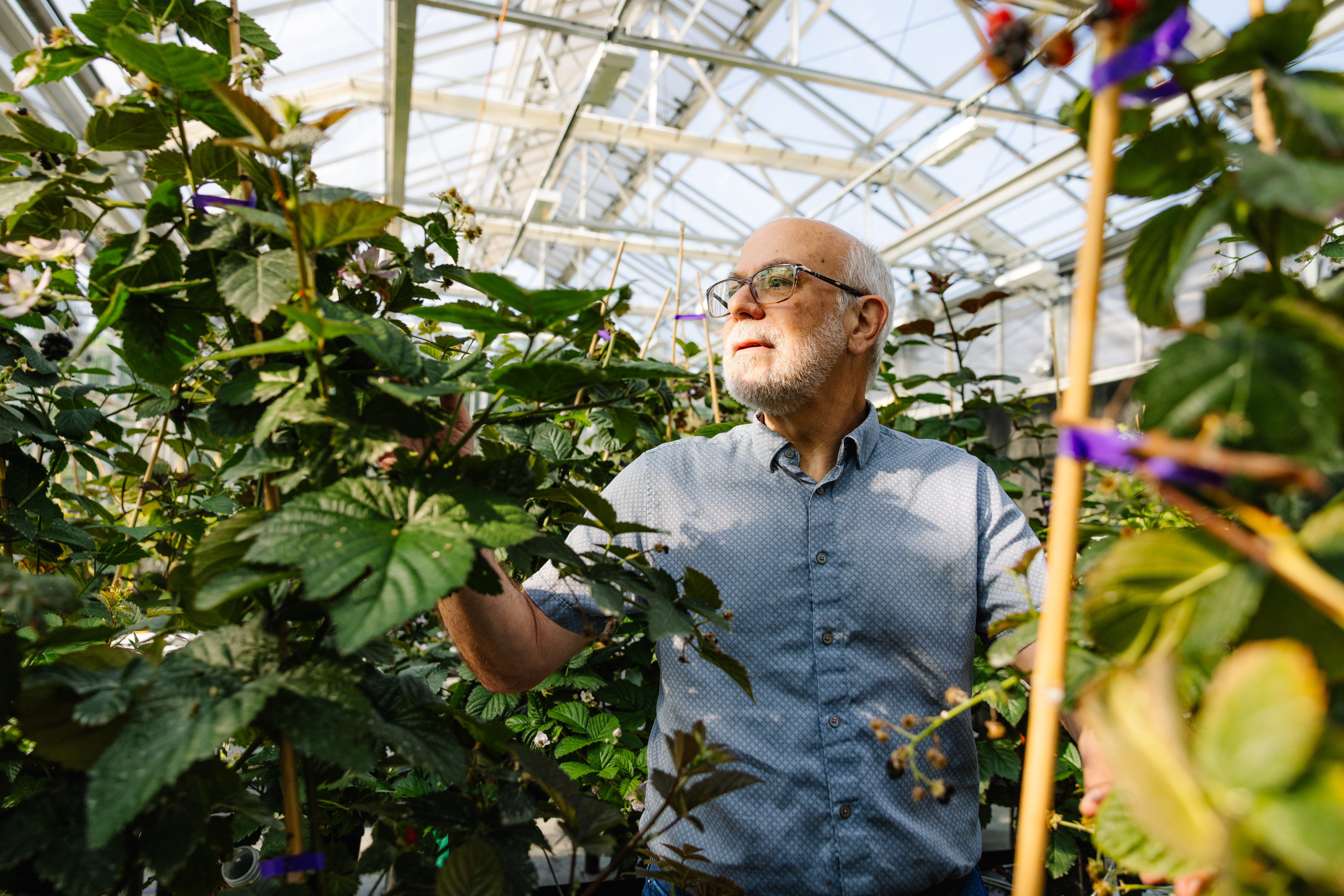
If you wanted to create better blackberries, you could try to breed a variety without the seeds that get stuck in your teeth. Or one without the thorns that make the berries hard to pick. Or you could aim for more environmentally efficient plants that produce more berries per acre with less water and fewer chemicals.
With decades of work and a fair amount of luck, you might achieve one of those goals.
But a North Carolina startup called Pairwise is using the gene-editing technology called Crispr to try to achieve all those goals at once, crafting seedless, thornless, higher-yielding blackberry plants—and in a matter of years rather than decades.
That’s the promise of modern genomics: introducing speed, precision, and the ability to solve multiple problems at once to the glacially slow, haphazard, one-tweak-at-a-time world of crop breeding.
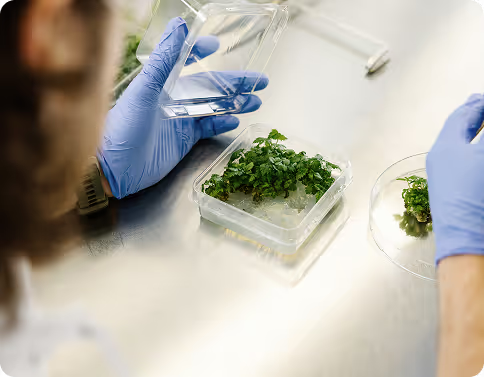
Pairwise is pioneering the application of CRISPR technology in food and agriculture.
